


 Leora Armstrong

The Language of Trees Project
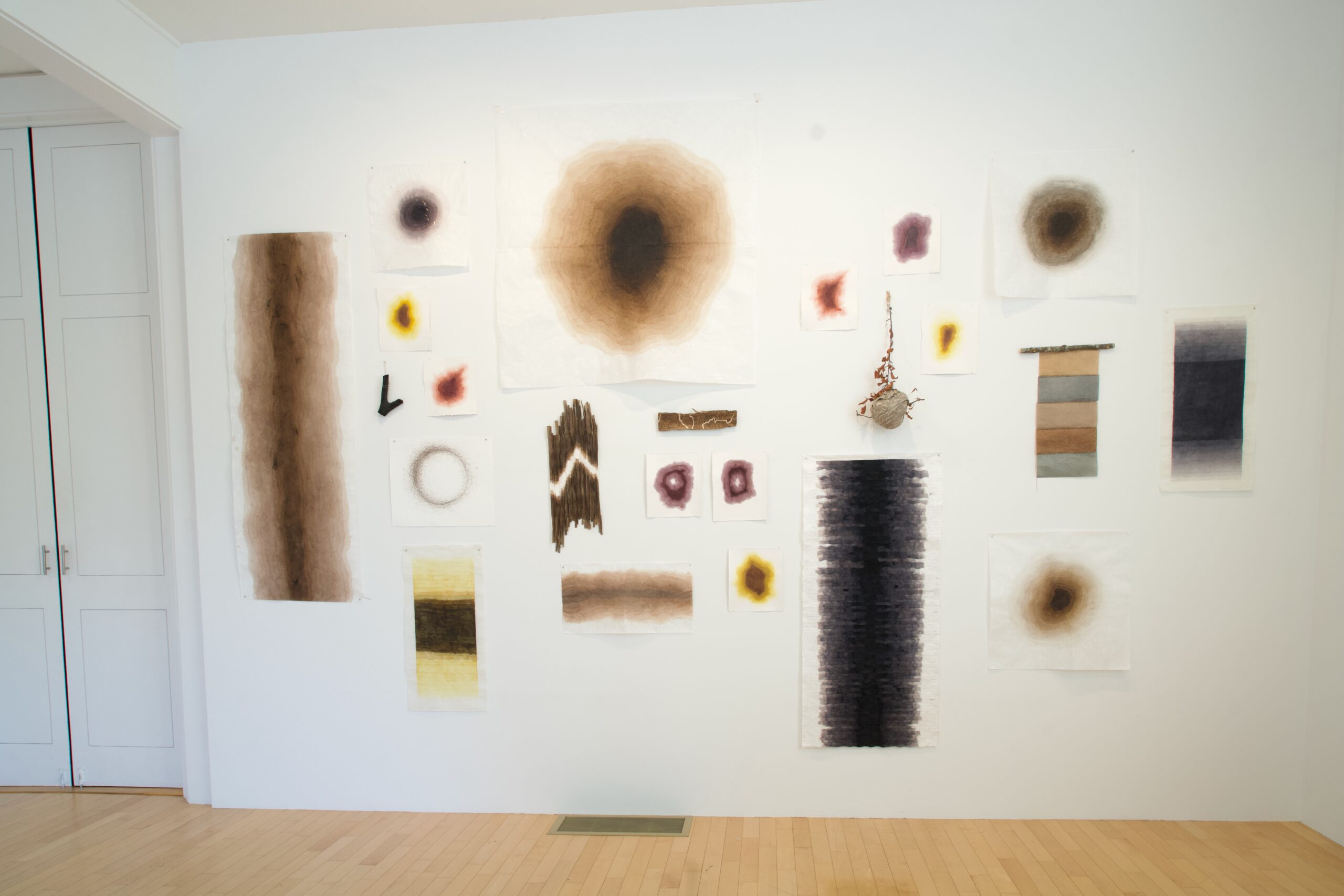
The Language of Trees explores the local topography and landscape through the collection of found plant material, which is then transformed into pigments, inks, and paints. By grounding materials in their specific sites of origin, the project builds a visual and material “language of place,” one that reflects both the ecological character and the environmental stresses of the region.
My focus on this issue began in early 2022, when the sudden appearance of numerous dead Ash trees—and the removal of a beloved old specimen—brought the devastation of the Emerald Ash Borer into sharp relief. Peeling back the bark to see the damage left behind was shocking, and walking through woodlands stripped of Ash trees evoked memories of earlier ecological losses: Dutch Elm Disease, which decimated Elms worldwide, and the American Chestnut blight, which transformed forests across the United States.
The scale of these losses is sobering. The Emerald Ash Borer alone has killed an estimated 8 million Ash trees. In 2023, spongy moth caterpillars defoliated vast expanses of trees across the tri-state region. The Eastern Hemlock (Tsuga canadensis), once dominant in the Northeast, has been reduced by approximately 90% due to the Hemlock Woolly Adelgid. Similarly, the Southern Pine Beetle has advanced northward, devastating protected pines in Long Island’s Suffolk County as recently as 2022. Most recently, the Spotted Lanternfly—first detected by arborists in 2023—is spreading northward from New York City, threatening vineyards, orchards, and a wide range of forest species, with no effective eradication method currently available.
The cumulative effect of these invasions is profound. The Chestnut, Elm, Hemlock, Pine, Oak, and now the Ash have each served as ecological anchors, providing acorns, nuts, and forage for countless species. Their decline represents not only a disruption of local ecosystems but also the erosion of cultural and economic relationships rooted in these trees. While climate change and wildfires dominate public discourse, invasive species now represent an equally urgent—and in temperate regions, perhaps even greater—threat to forest biodiversity.







Loading Images...
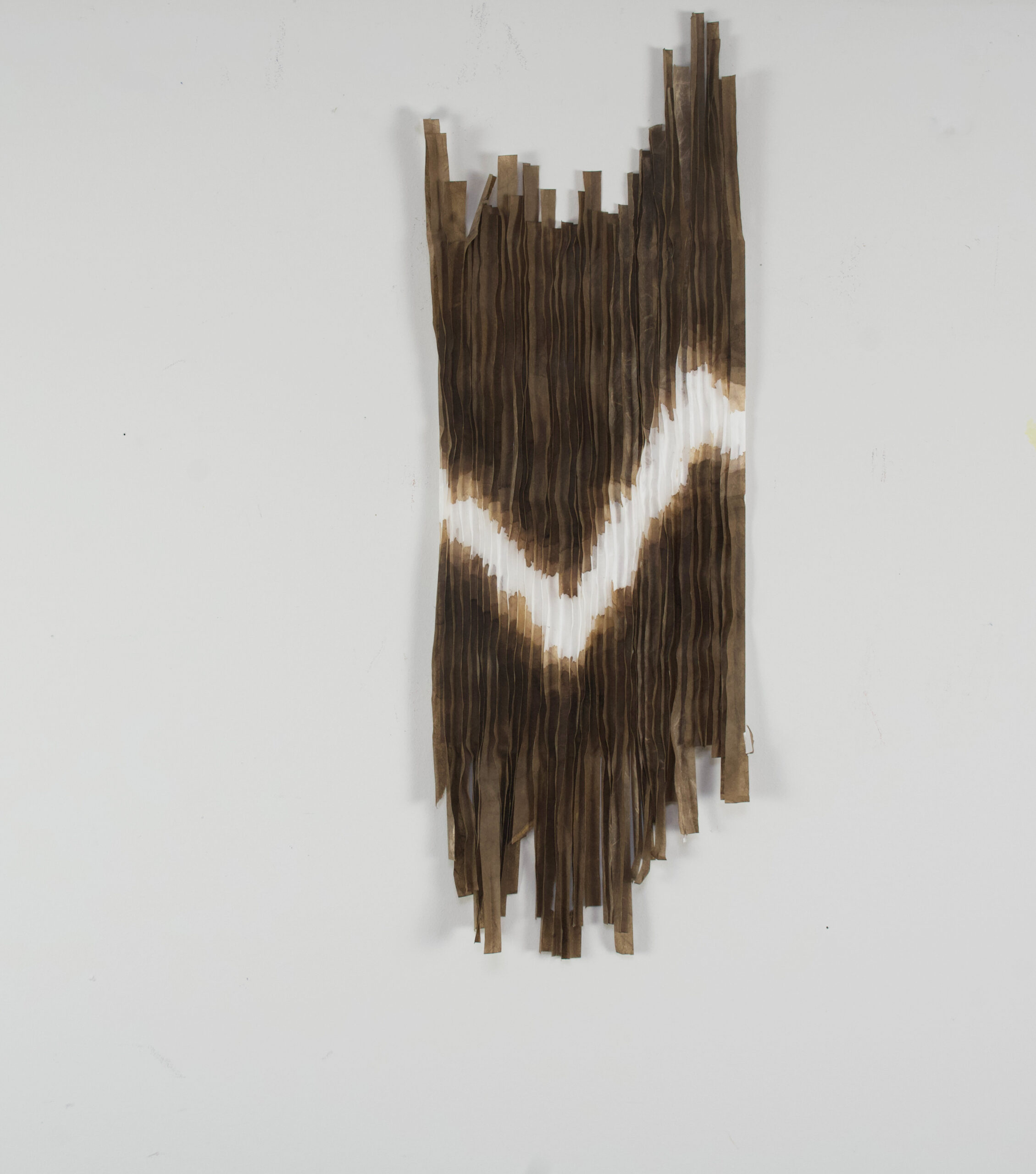
Bark -2024 Ash Bark Ink on Mulberry Paper 18 x 9 inches
Ghost Tree I 2024
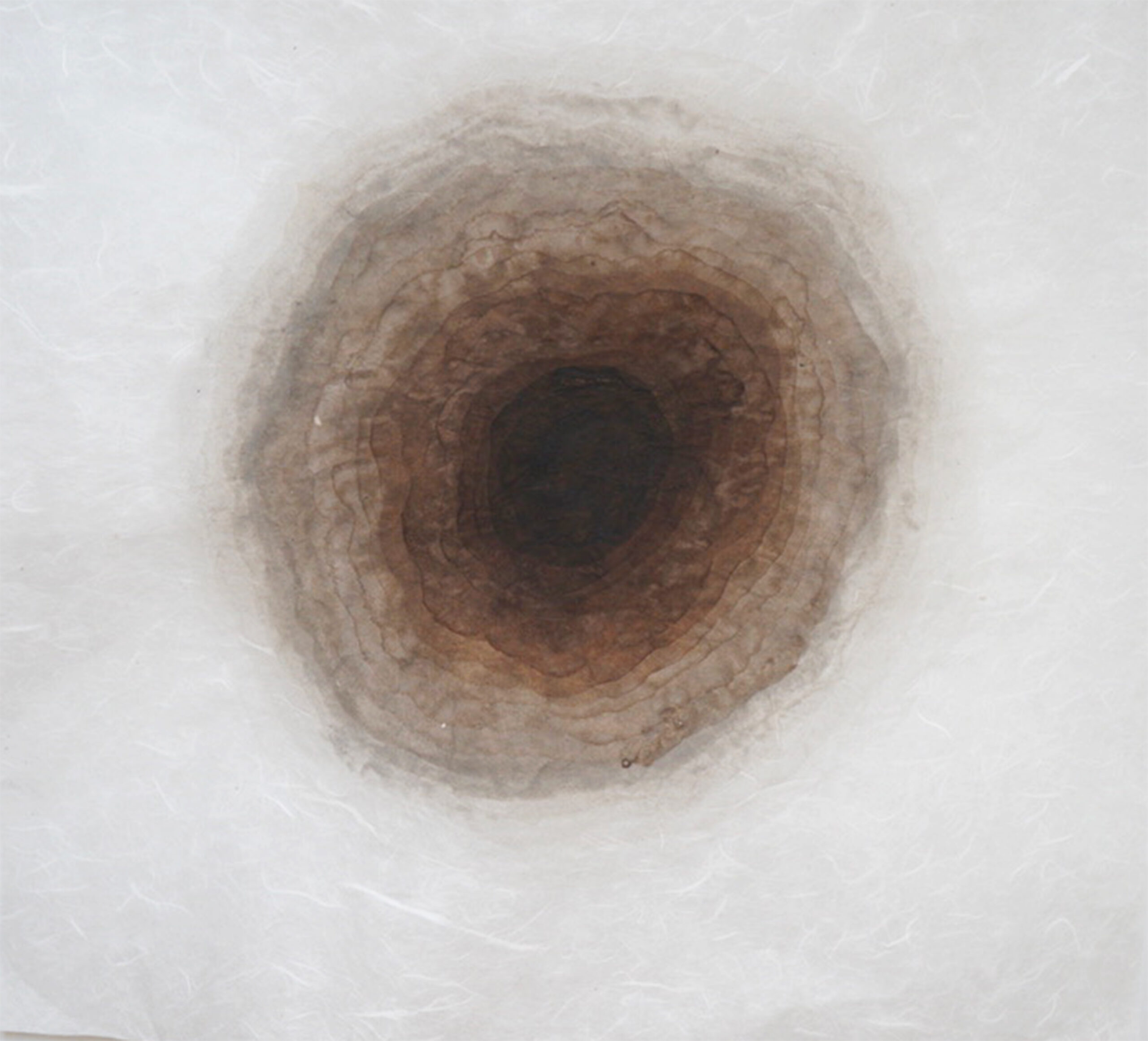
Girth of a Tree Limb
Burnt Ash Pigment, Pigment from Ash Tree 21 x 21 inches #LA5172
Girth of a Tree Limb
Burnt Ash Pigment, Pigment from Ash Tree 21 x 21 inches #LA5172
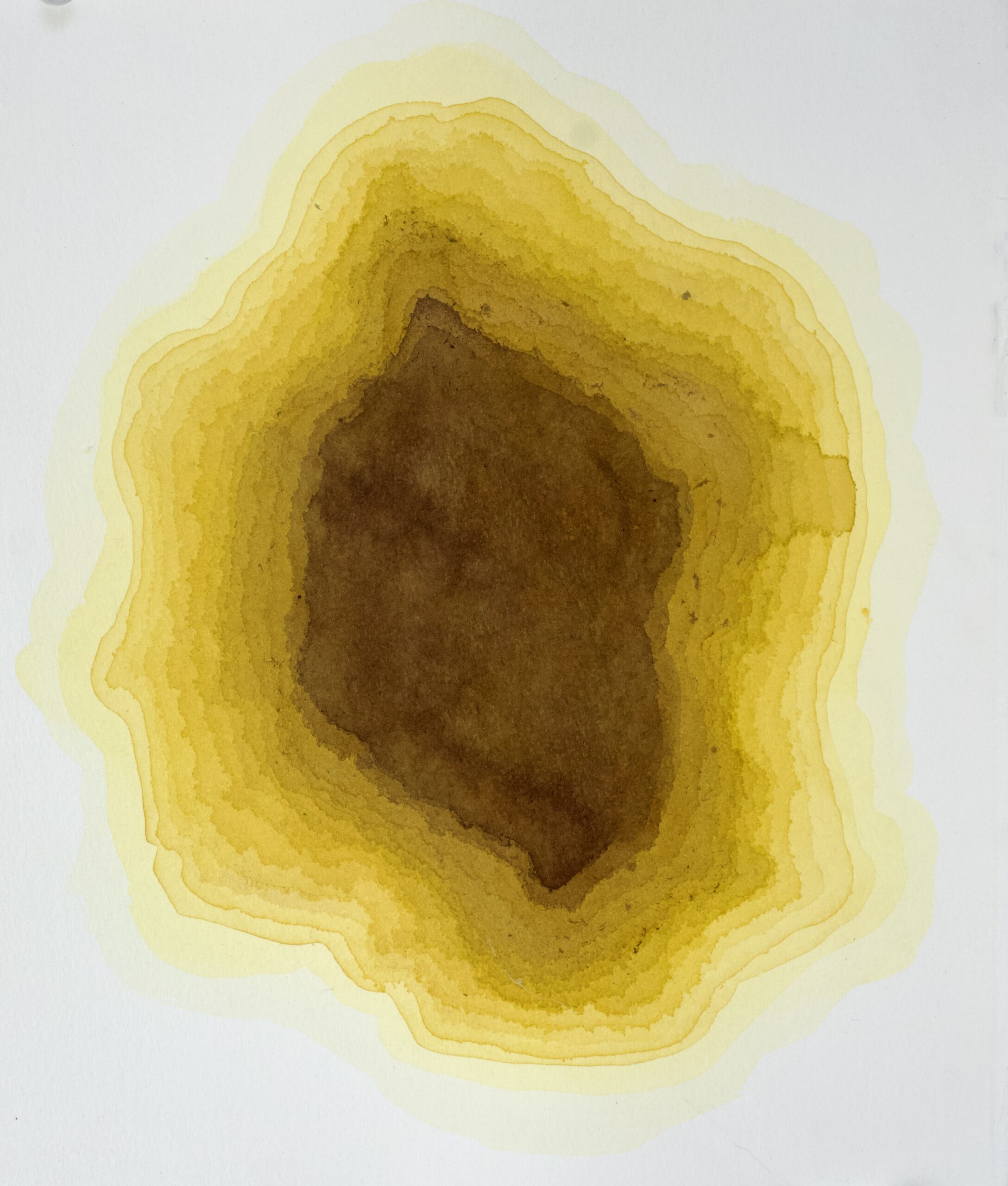
Invasive I 2024
Buckthorn Ink on Arches Paper
8x 7 inches
Buckthorn Ink on Arches Paper
8x 7 inches
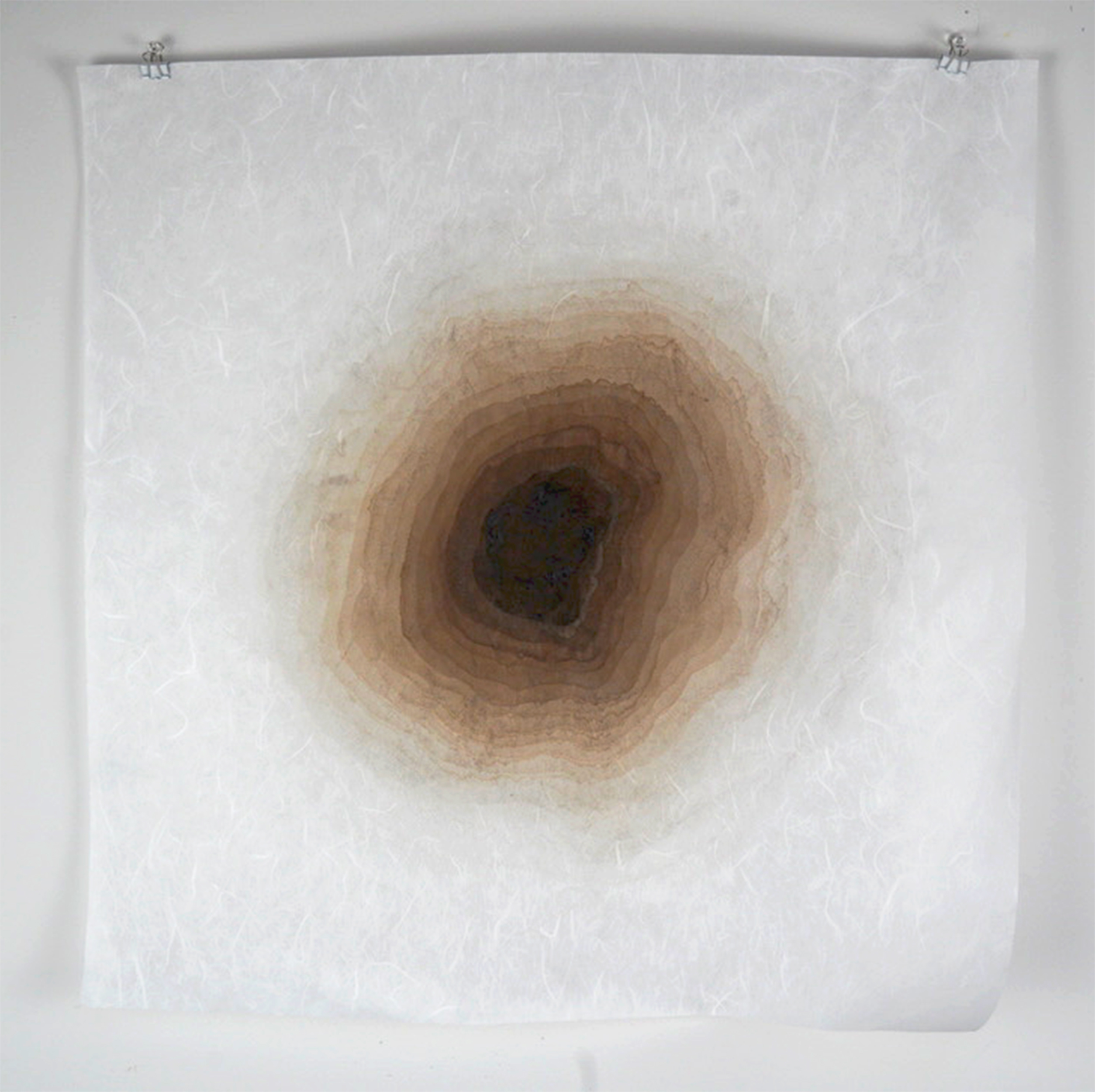
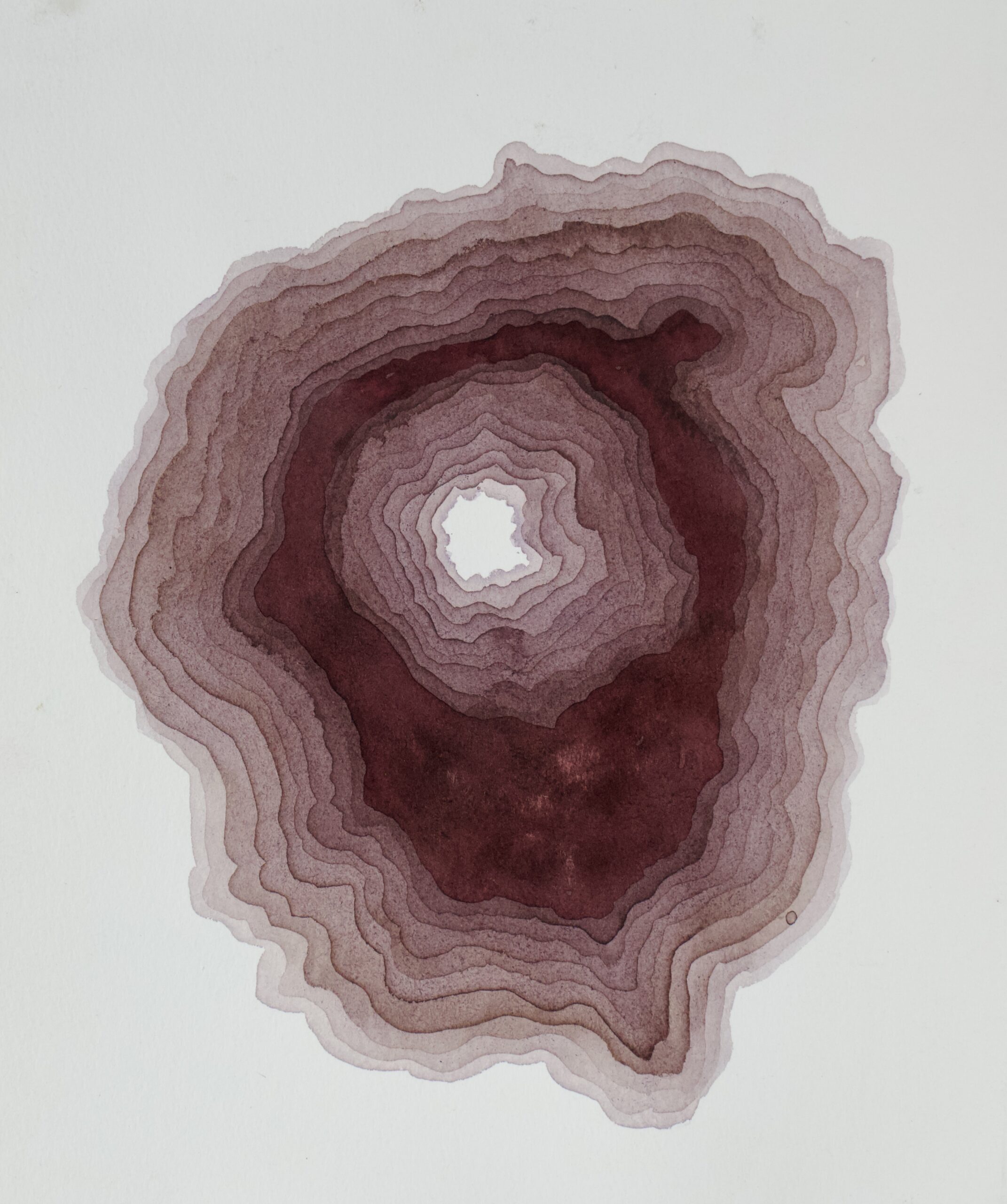
Ghost Tree II 2024
Girth of a Tree Limb
Ash Tree Ink from Ash Tree 21 x 21 inches
Girth of a Tree Limb
Ash Tree Ink from Ash Tree 21 x 21 inches
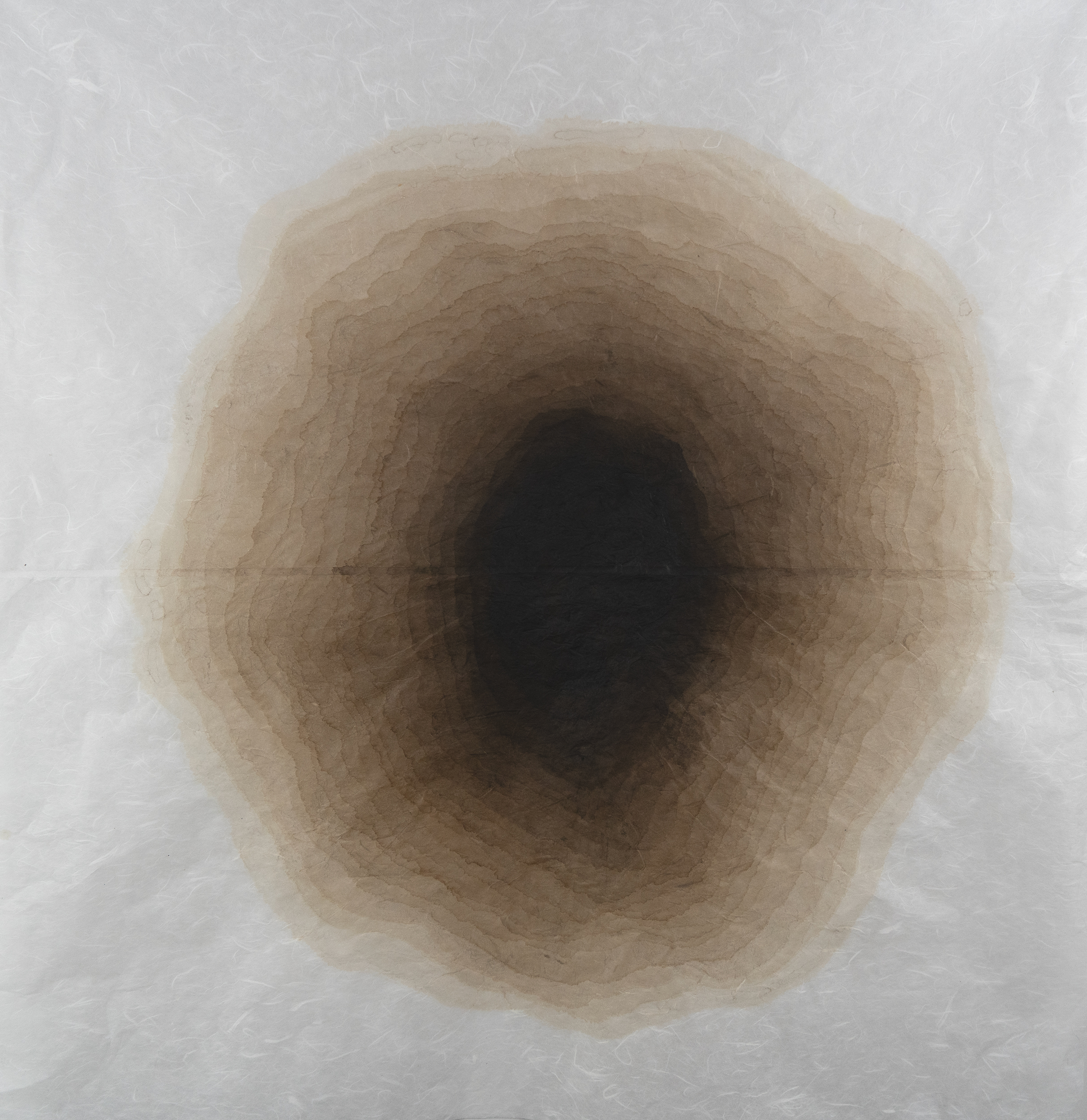
Ghost Tree 2024
Girth of a Tree
Ash Tree Ink on Mulberry paper 42 x 41 inches
Girth of a Tree
Ash Tree Ink on Mulberry paper 42 x 41 inches
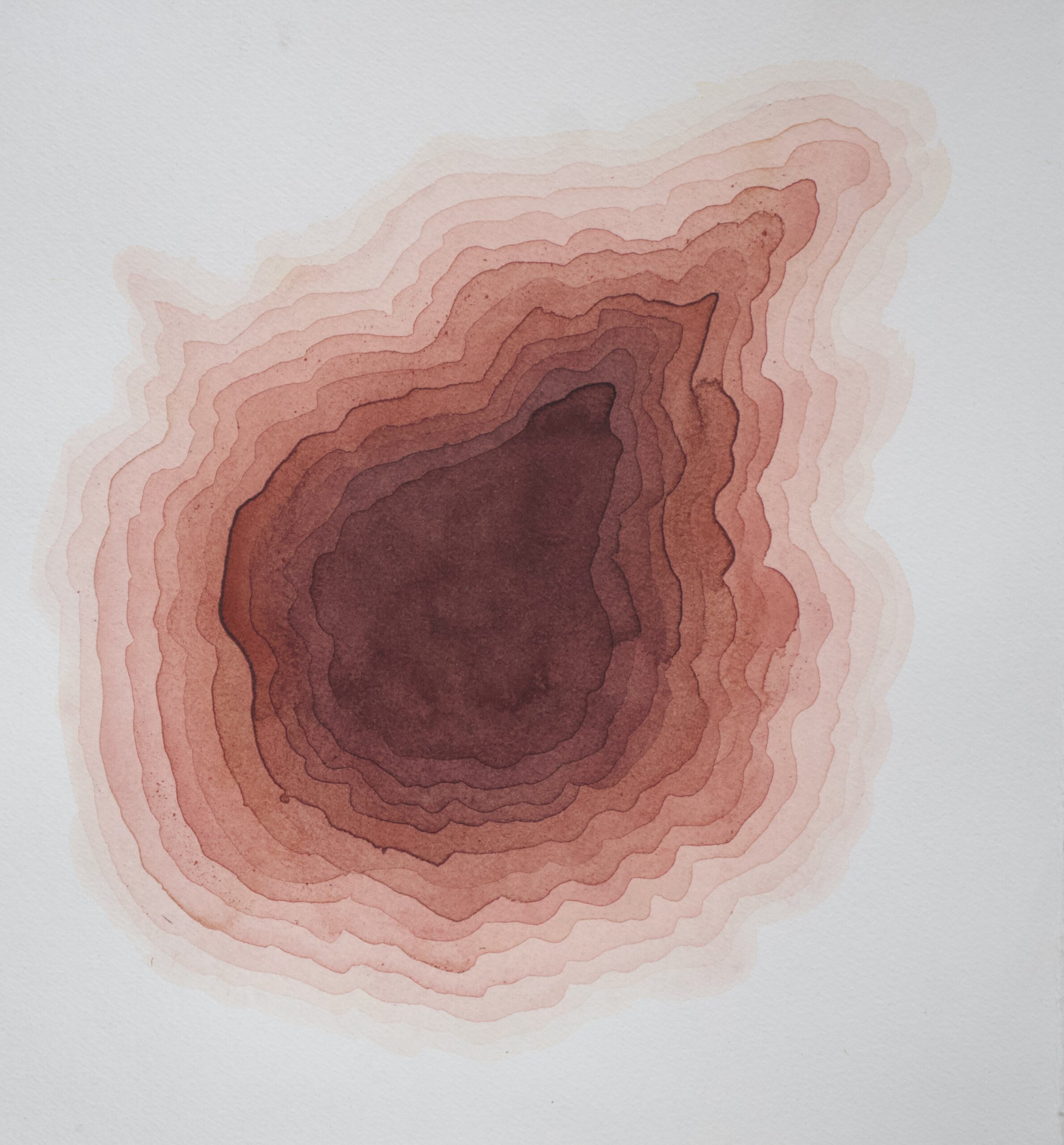
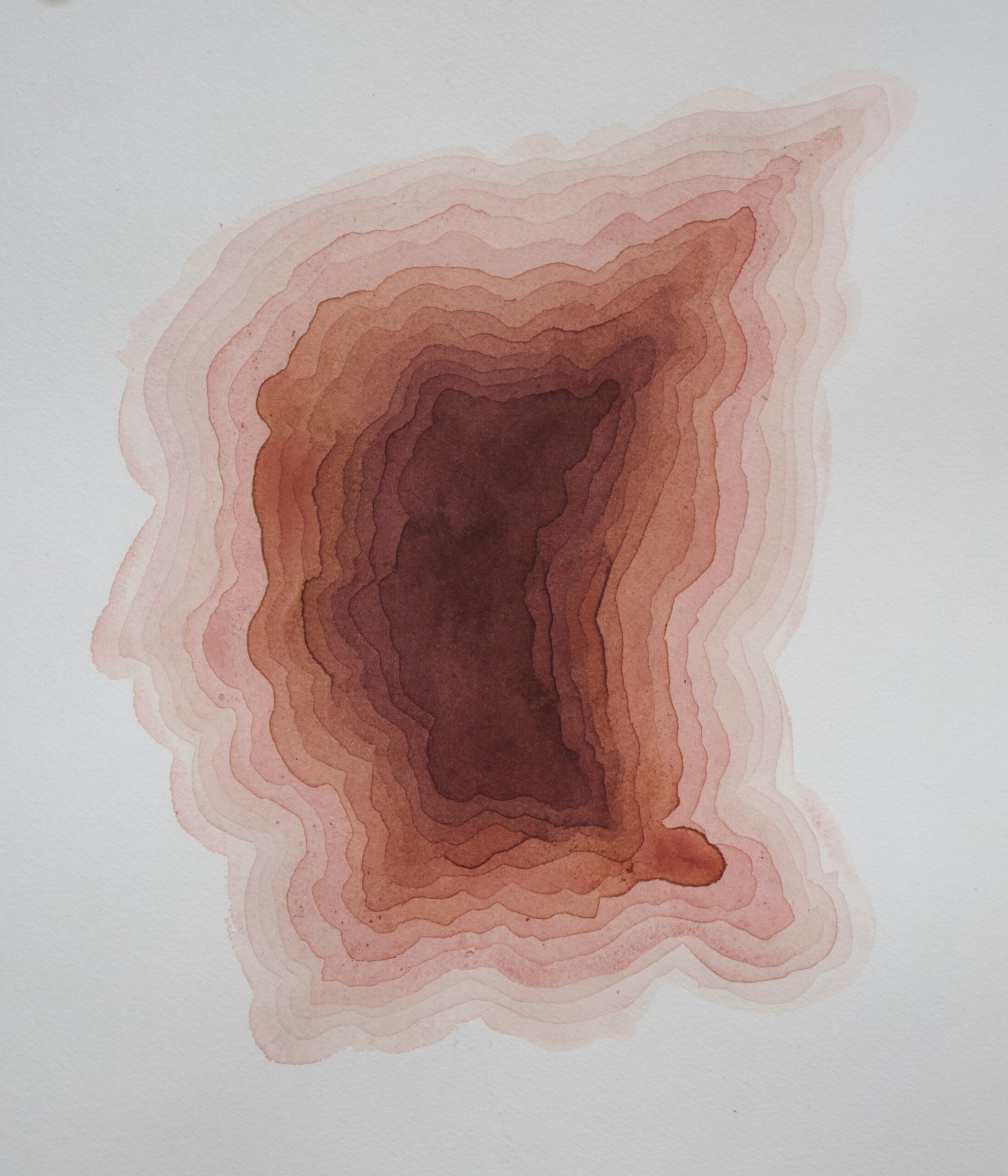
Brazilian Wood II 2024
Brazil wood ink on ARches paper
7 x 6 inches
Brazil wood ink on ARches paper
7 x 6 inches
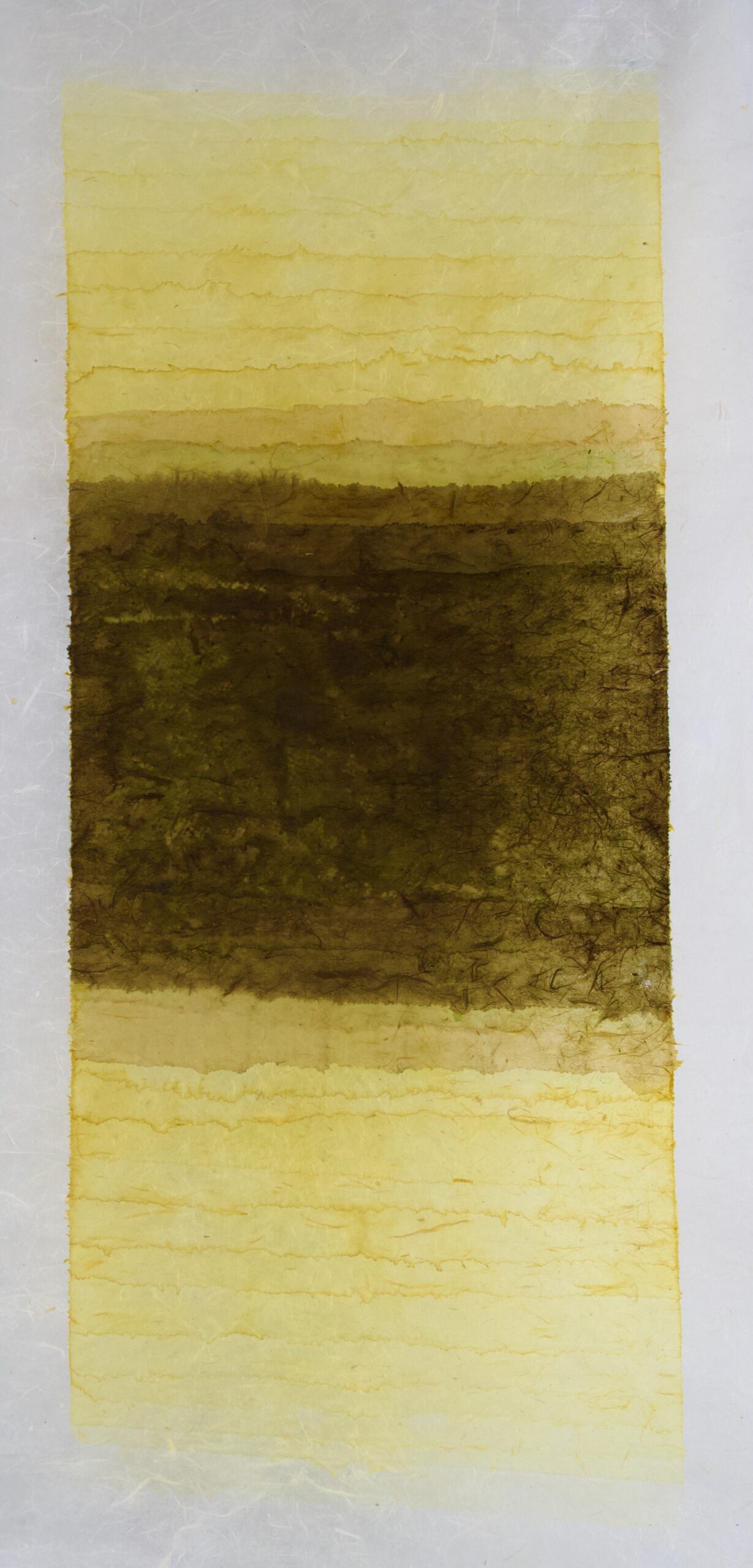
Oak Ghost 2024
Oak Gall Ink on Mulberry Paper
27 x 13 inches
Oak Gall Ink on Mulberry Paper
27 x 13 inches
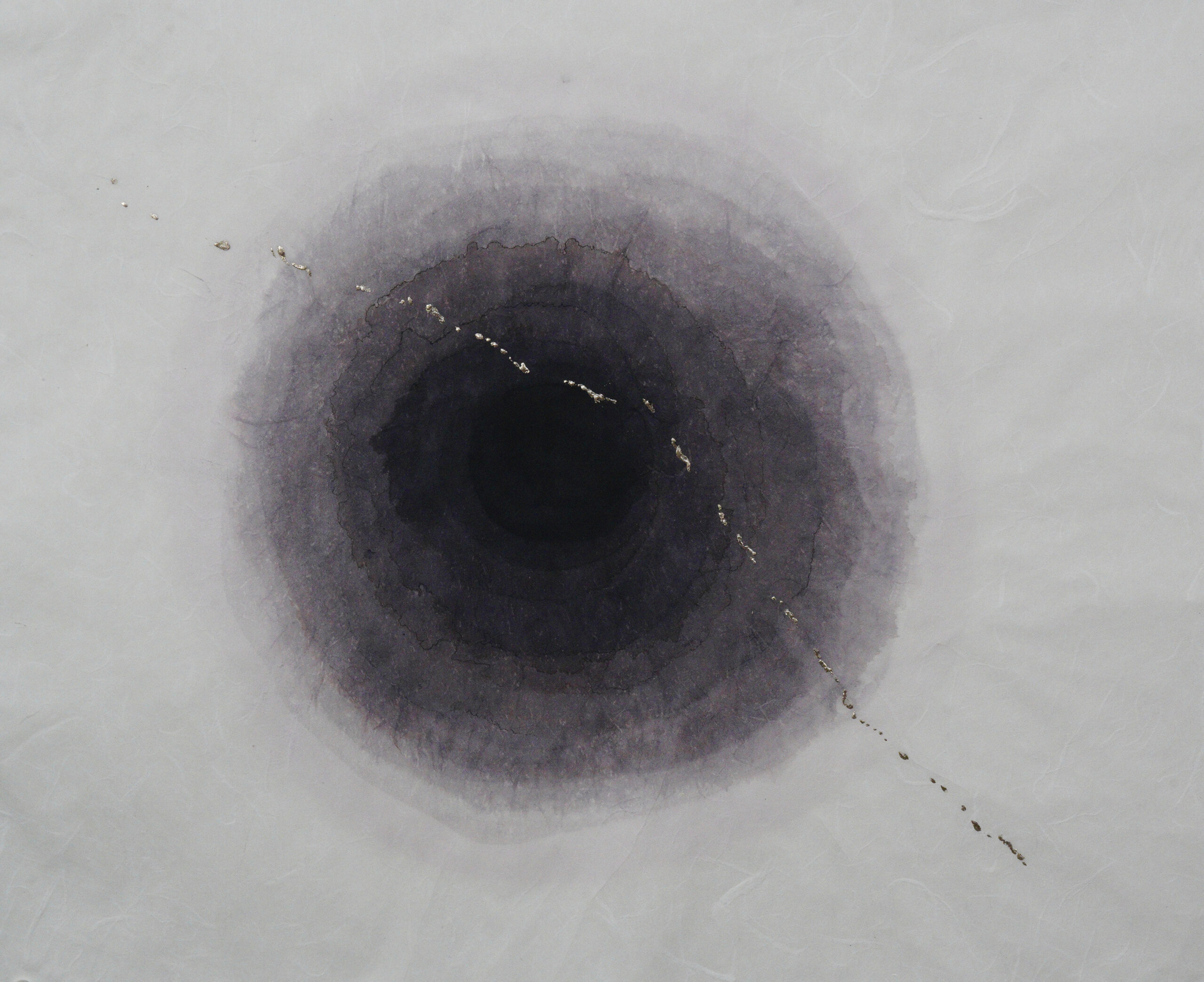
Bones of the Tree 2024 Oak Gall Ink and Silver Leaf on Mulberry paper 18.5 x 18.5 inches
Invasive V 2024
Privet Berry Ink on Arches Paper
8x 7 inches
Privet Berry Ink on Arches Paper
8x 7 inches
Brazil Wood I 2024 Brazil wood ink on ARches paper 7 x 6 inches
Invasive VI 2024
Privet Berry Ink on Arches Paper
8x 7 inches
Privet Berry Ink on Arches Paper
8x 7 inches
Invasive III 2024
Buckthorn Ink on Arches Paper
8x 7 inches
Buckthorn Ink on Arches Paper
8x 7 inches
Plank of Wood 2024
Ash Ink and Iron Water on Mulberry Pape
24 x 59 inches
Ash Ink and Iron Water on Mulberry Pape
24 x 59 inches
Invasive II 2024
Buckthorn Ink on Arches Paper
8x 7 inches
Buckthorn Ink on Arches Paper
8x 7 inches
Oak Poem, 2023
Oak Gall ink on Mulberry paper
45 x 21.5 inches
Oak Gall ink on Mulberry paper
45 x 21.5 inches
Invasive IV 2024
Privet Berry Ink on Arches Paper
8x 7 inches
Privet Berry Ink on Arches Paper
8x 7 inches
Tree Murmurs 2023
Wind drawing Oak Gall ink
14" x 17" inches
Wind drawing Oak Gall ink
14" x 17" inches
Buckthorn 2024
Buckthorn Ink and Iron water on Mulberry paper
27 x 13 inches
Buckthorn Ink and Iron water on Mulberry paper
27 x 13 inches
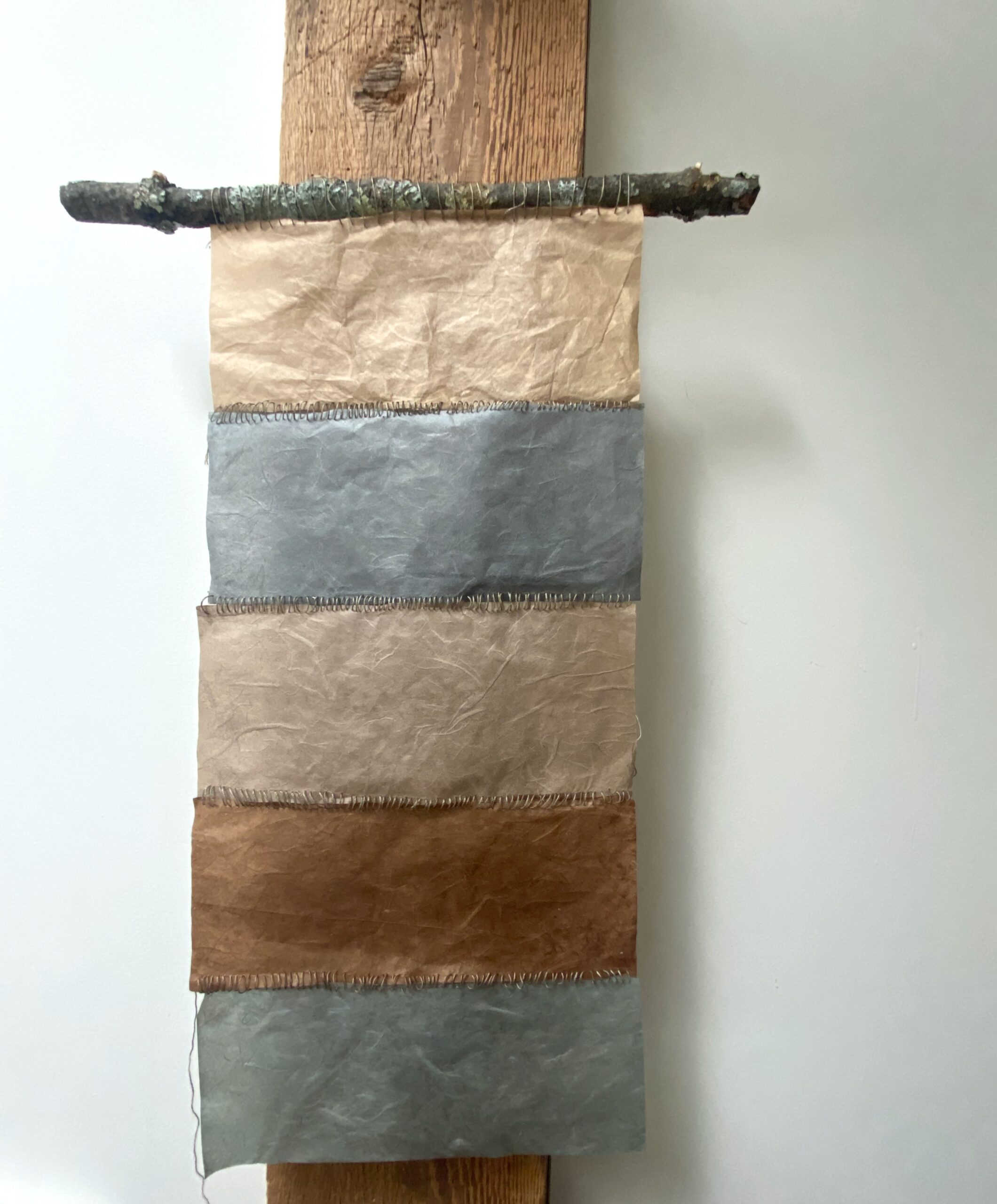
Mother 2024
Tree Dyed Mulberry papers, Oak, Ash, Maple, Walnut and Privet dyed silk thread, wood
15 x 8 inches
Tree Dyed Mulberry papers, Oak, Ash, Maple, Walnut and Privet dyed silk thread, wood
15 x 8 inches
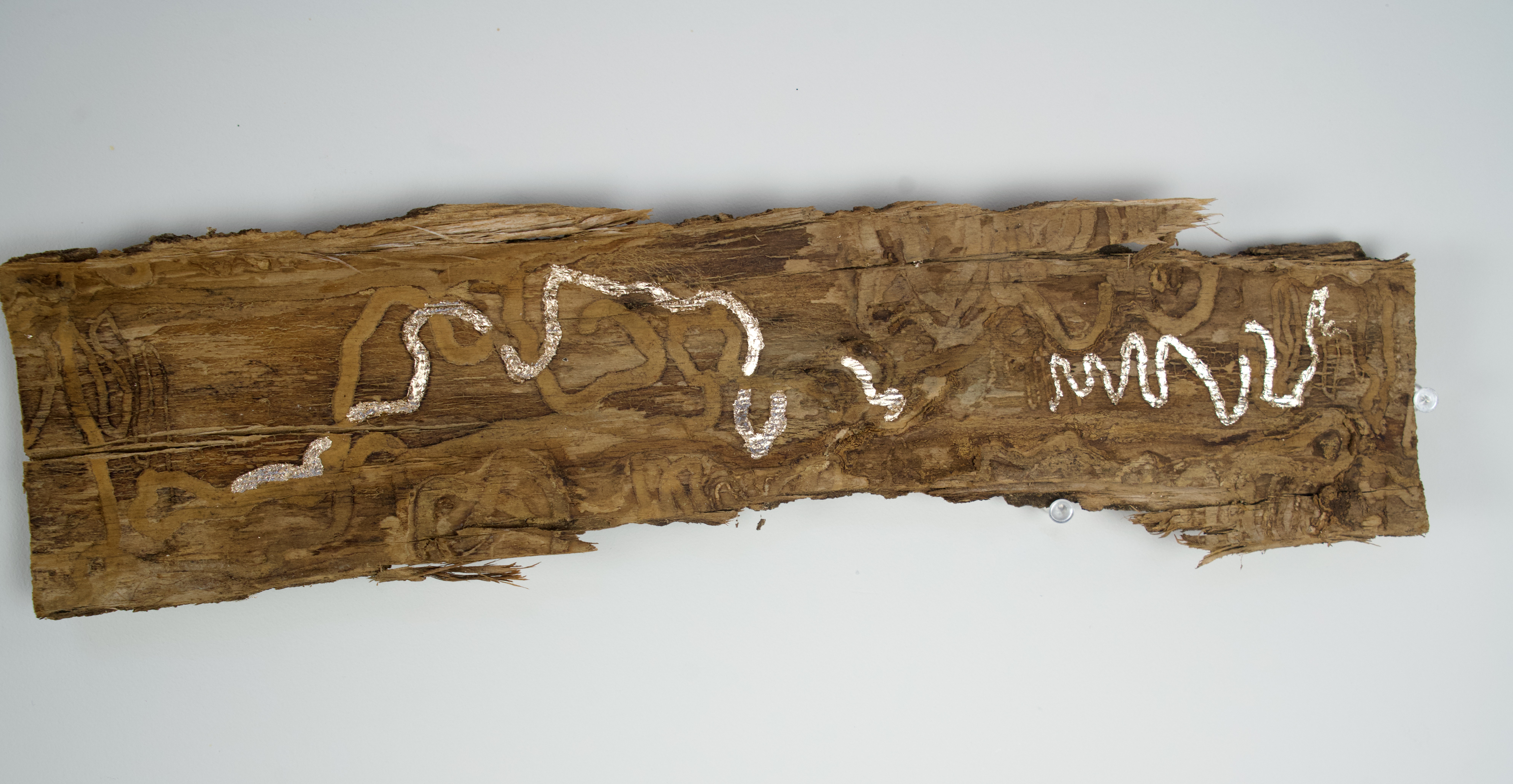
Dance Through the Trees II 2024
Gold Leaf on Ash Bark
3 x 14 inches
Gold Leaf on Ash Bark
3 x 14 inches
Language of Trees 2024
Installation at Furnace Art on Paper Archive
Installation at Furnace Art on Paper Archive
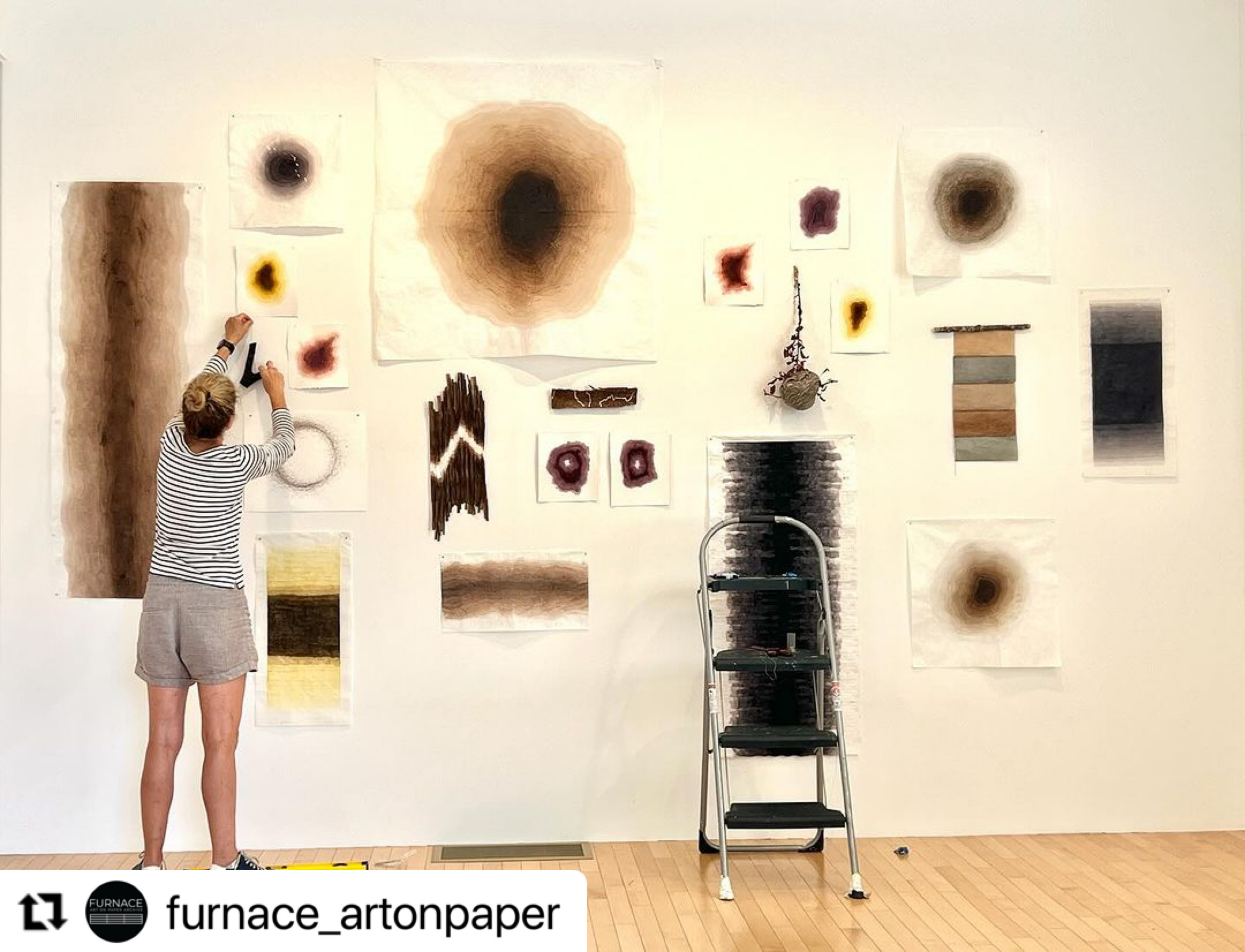
Installing Language of Trees
Photo credit Kathleen Kucka
Photo credit Kathleen Kucka